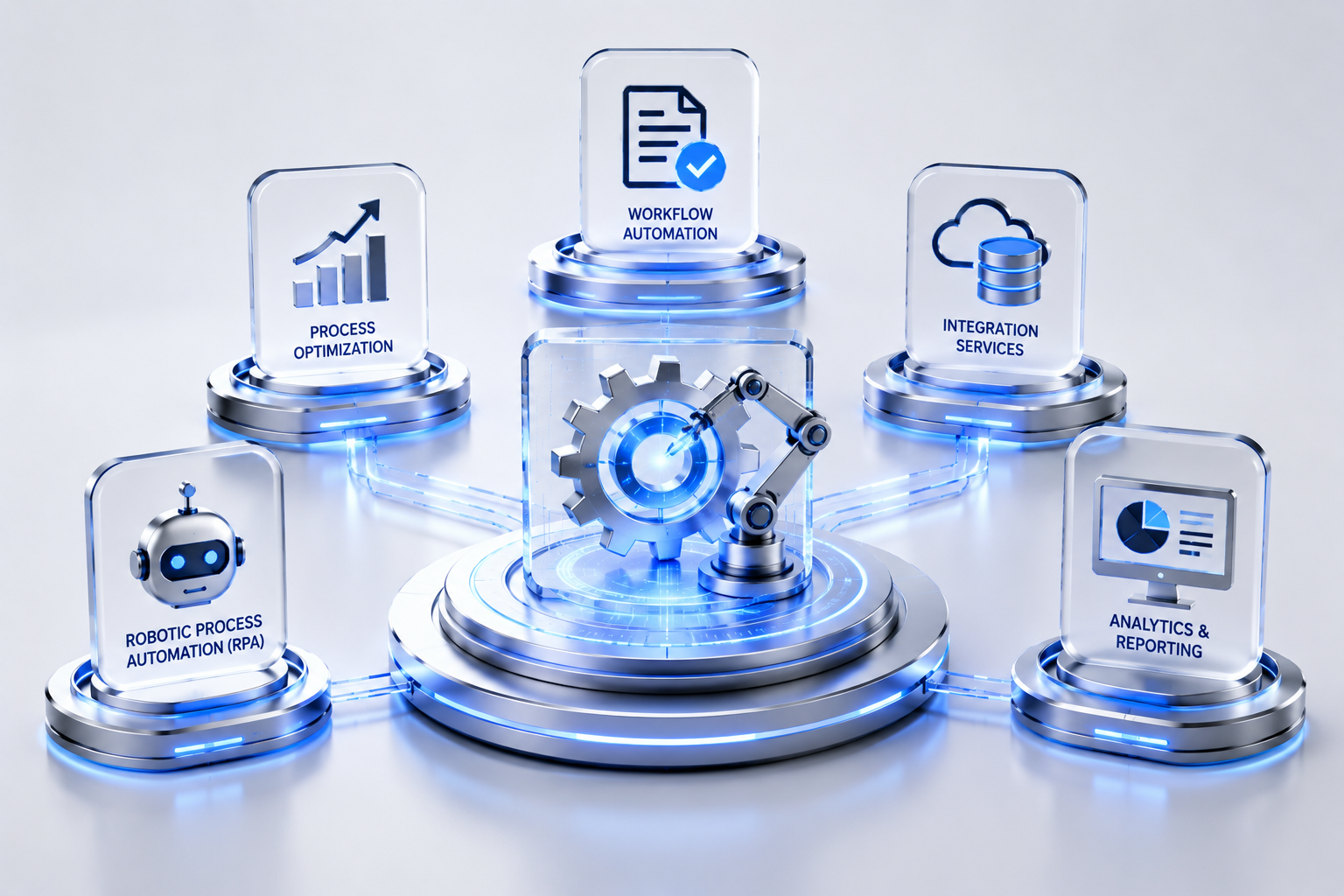
Finding the right business process automation service can feel like hunting for a needle in a haystack. You need speed, ownership, and results that stick. Below is a short list of five services that actually deliver, and a quick way to tell which one fits your team.
1. Zylo Technologies (Our Top Pick) , Durable AI‑Powered Automation
Zylo builds custom AI agents and automation pipelines that you own outright. It means the model, the data, and the code stay with you, not a SaaS vendor.
The team works in senior‑only delivery pods, so you avoid the rookie‑mistake delays that drag projects out for months. Most clients see a 3.4× ROI within a year because the bots run nonstop and need no re‑training.
Because Zylo ships end‑to‑end systems, you get a single, maintainable code base instead of a patchwork of point tools. That makes compliance audits painless.
One caveat: Zylo’s custom approach costs more upfront than off‑the‑shelf RPA, but the long‑term payoff often outweighs the initial spend.
Learn more about our AI Automation & Process Optimization Services and how they fit into your roadmap.
Key Takeaway
Zylo gives you full ownership of your automation, which pays off when you need to scale or audit.
2. Custom AI Agent Platforms , Build Tailored Agents Quickly
These platforms let you stitch together LLMs, APIs, and tool calls without writing every line of code. They shine when you need agents that can reason across multiple steps.
Platforms such as CRM & workflow automation services provide pre‑built connectors for popular tools, so you can focus on the business logic.
Speed to prototype is measured in weeks, not months, because the platform handles authentication, logging, and error handling for you.
The downside is that you surrender some control over the underlying model. If your data is sensitive, you must check the vendor’s privacy guarantees.
Overall, custom AI agent platforms fit teams that want rapid development but still need to plug into existing enterprise systems.
3. Low‑Code RPA Suites , Rapid Automation Without Heavy Coding
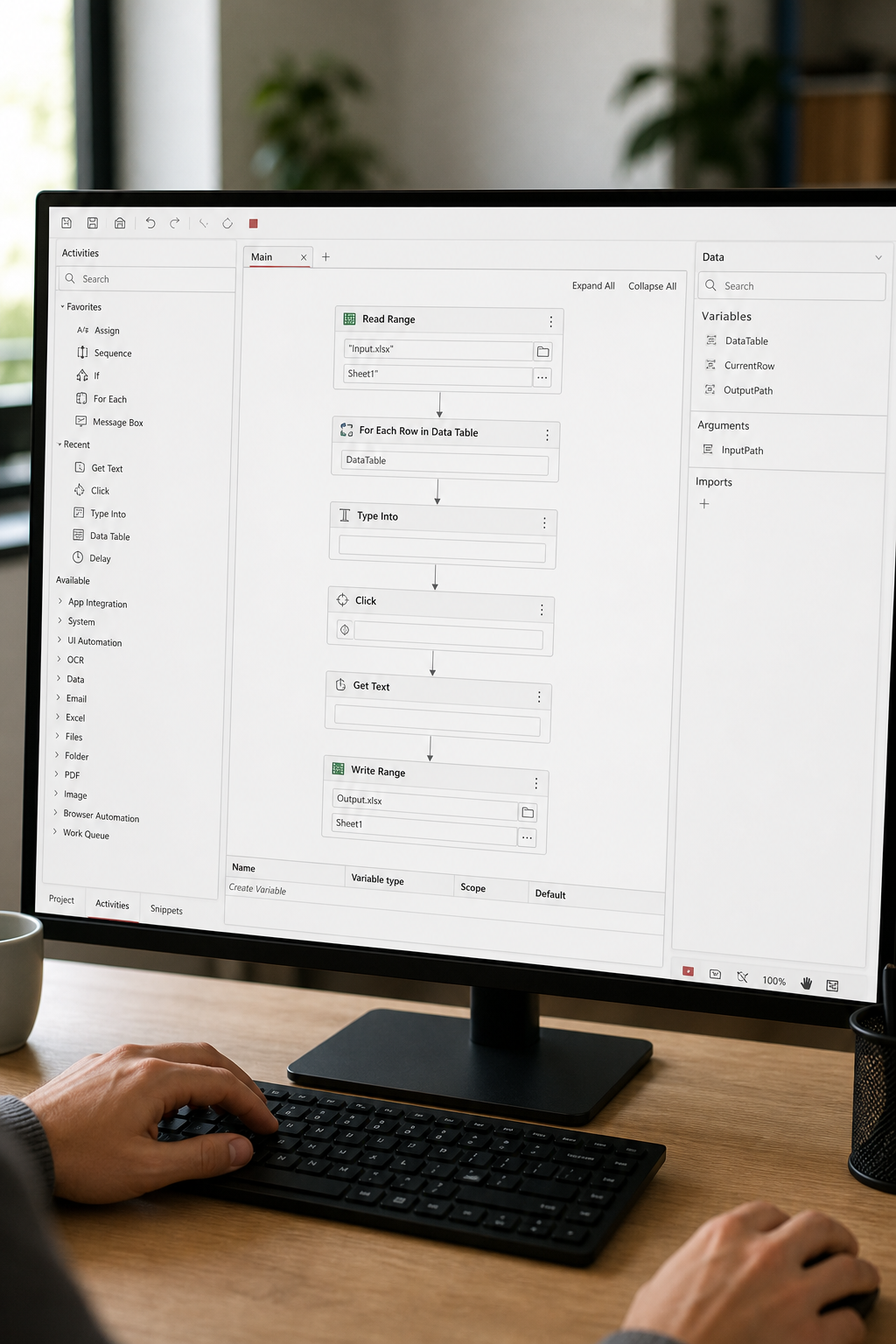
Low‑code RPA tools let non‑developers drag UI elements into a workflow canvas and publish bots with a click.
They excel at digitizing repetitive desk tasks like invoice entry or HR onboarding. Because they run on a visual editor, you can hand the bot to a business analyst for tweaks.
According to UiPath’s RPA overview, enterprises have deployed over 10,000 bots that collectively save thousands of manual hours each year.
Be aware that low‑code bots can struggle with unstructured data or complex decision trees. If you need deep AI reasoning, you’ll likely outgrow the platform.
For teams that need quick wins on rule‑based processes, a low‑code suite is a solid first step.
4. Cloud‑Based Integration Platforms , Smooth Enterprise Connectivity
Integration platforms sit in the cloud and stitch together SaaS apps, legacy ERPs, and data warehouses. They expose a unified API layer, so each system talks the same language.
Because they run in the cloud, you avoid on‑prem hardware and can scale up as transaction volume spikes.
These platforms often include built‑in monitoring dashboards, letting you spot a broken sync before it hurts customers.
One limitation is that you rely on the vendor’s uptime and data residency guarantees. For highly regulated sectors, check the compliance certifications.
Read more about our Zylo free consultation to see how we connect your legacy stack.
Pro Tip
Map out the data flow on paper first; a clear diagram cuts integration time by half.
5. Managed BPO Automation Providers , Outsource at Scale
BPO firms now offer automation as a service, handling everything from bot design to operations monitoring.
They are useful when you lack in‑house expertise or want to shift the risk of bot failure to a specialist.
A 2022 analysis from Noondalton outlines three main outsourcing models: project‑based, outcome‑based, and staff‑augmentation. Each has trade‑offs in cost and control.
Project‑based deals give you a finished bot but limited post‑launch support. Outcome‑based contracts tie fees to performance metrics, which can drive better results but add complexity.
Make sure the provider can hand over the bot’s code and data if you ever want to bring it in‑house.
"Automation should redirect human attention, not erase it." , Zylo
Explore our AI Automation Agency for Enterprises page to see how we blend in‑house and managed models.
What to Look For When Selecting a Business Process Automation Service
Choosing a partner starts with a clear set of requirements. Miss a key factor and you’ll face hidden costs later.
First, define the exact processes you want to automate. Bad requirements cause scope creep, according to ArgonDigital.
Second, check who owns the solution after delivery. Full ownership lets you tweak the bot without vendor lock‑in.
Third, verify the provider’s track record in your industry. Regulated fields like finance need proven compliance experience.
Fourth, ask about governance tools , audit trails, role‑based access, and model monitoring are essential for long‑term trust.
Finally, weigh the implementation timeline. Six‑week production cycles, like Zylo’s, often indicate a disciplined delivery model.
Feature Comparison of the Top 5 Services
Use this grid to match your priorities against each option’s strengths.
| Service | Ownership | Speed to Deploy | Best For |
|---|---|---|---|
| Zylo Technologies | Full | 6 weeks | Enterprise custom AI |
| Custom AI Agent Platforms | Partial | 4 weeks | Rapid prototyping |
| Low‑Code RPA Suites | Partial | 2 weeks | Rule‑based tasks |
| Cloud Integration Platforms | Partial | 3 weeks | Data sync across SaaS |
| Managed BPO Providers | Vendor | 8 weeks | Outsourced expertise |
FAQ
What are business process automation services?+
Business process automation services build software that runs repeatable tasks without human clicks, letting your team focus on higher‑value work.
How long does it take to see ROI?+
Most companies notice measurable ROI within three to six months once the bots are live and integrated with existing systems.
Do I retain ownership of the automation code?+
With Zylo Technologies you keep full ownership; many SaaS platforms only grant usage rights, which can limit future changes.
Can low‑code RPA handle unstructured data?+
Low‑code RPA is best for structured, rule‑based work. For unstructured inputs you’ll need a custom AI agent or a hybrid approach.
Is outsourcing automation cheaper than building in‑house?+
Outsourcing can lower upfront staffing costs, but you may pay higher ongoing fees and lose direct control over the bot’s evolution.
Conclusion
If you need durable, owned automation that scales, start with Zylo Technologies. Ready to cut manual work? Schedule a free consultation and see a pilot in six weeks.
Share this article
About the author

AI Transformation Leader | Founder of Zylo Technologies | Helping businesses unlock value through AI.
Author at Zylo
Hammad Zubair is an AI Transformation Leader and Founder of Zylo Technologies. He helps businesses discover practical AI opportunities that reduce costs, improve efficiency, and accelerate growth. Through AI readiness assessments and transformation strategies, he enables organizations to identify high-impact automation and AI implementation opportunities.