
A mobile app can become a sales channel, a field tool, or the front door to a care program. The hard part is choosing a partner that can ship a useful product without creating a fragile system. Here are 10 Mobile Digital Solutions, with the best fit, strengths, and limits of each.
1. Zylo Technologies
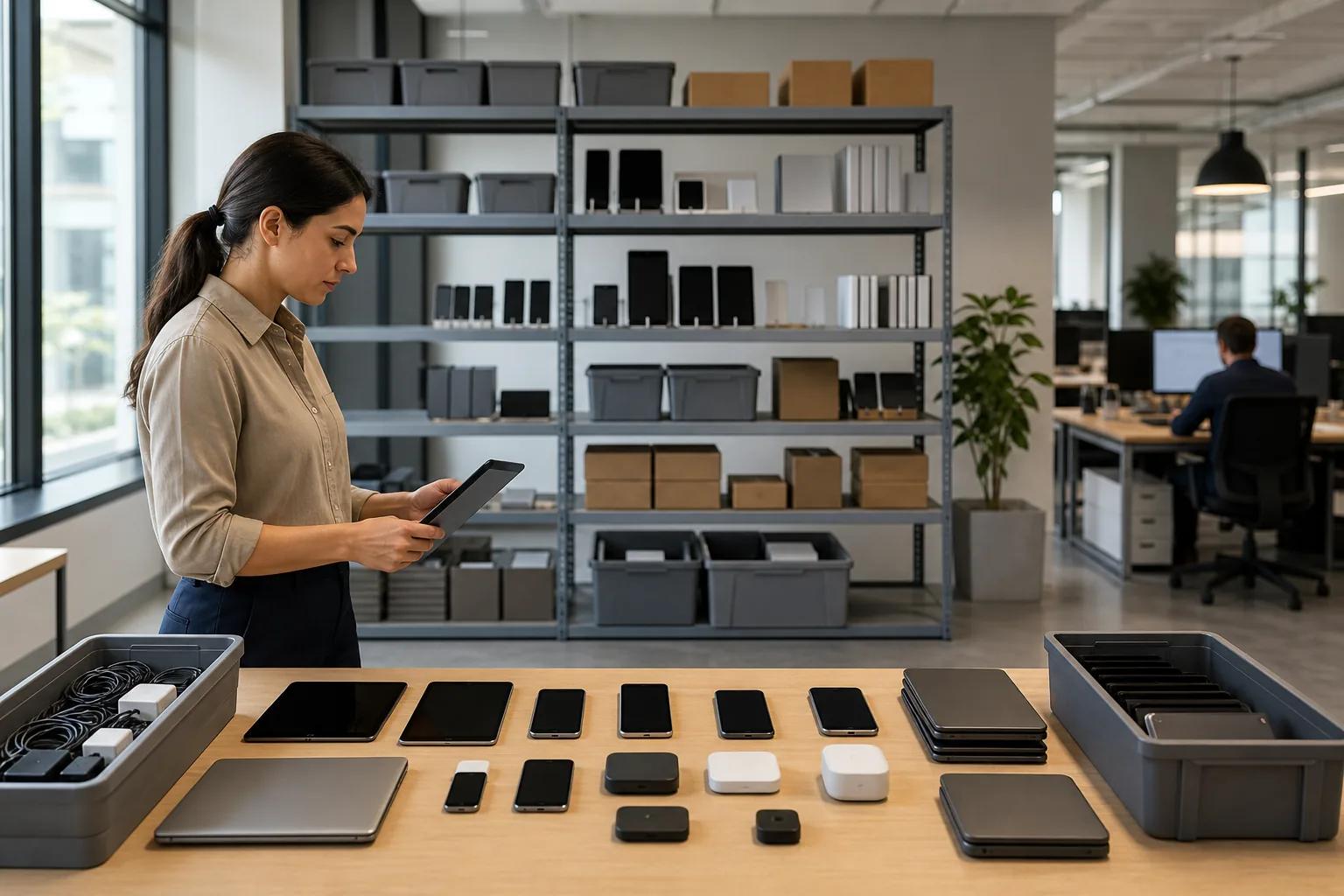
Zylo Technologies is an AI automation and software engineering partner for teams that need a custom mobile product tied to business goals. It’s best for founders, operators, and enterprise leaders who need more than a quick app mockup.
We design and ship custom AI solutions, automation systems, and digital products. Our work can connect a mobile experience to the workflows behind it, such as lead handling, support triage, internal approvals, or data processing. That systems view matters because an impressive prompt is not a product. Your app still needs sound permissions, secure data flows, useful analytics, and a plan for maintenance.
Zylo has shipped more than 140 systems, with senior-only delivery pods and production cycles that can run in six weeks when scope is clear. We also support mobile development services for teams that need Flutter or React Native work.
The caveat is simple: custom work needs active decisions from your team. If you want a fixed template with little discovery, a packaged platform may feel easier.
2. Rabbit Mobile, Custom digital products built for daily use

Rabbit Mobile is best for companies seeking high-quality digital solutions that people enjoy using each day. The research describes its value in user experience terms rather than through a detailed technical stack.
That focus is useful. A mobile product can have every planned feature and still fail if people find it slow or confusing. Teams should ask Rabbit Mobile to show how it handles user research, app performance, accessibility, testing, and post-launch fixes.
Buyers should request implementation and security details before signing. That does not prove the service lacks them. It does mean buyers should request those details before signing. For a wider product build, our view of software product engineering services explains why the app and its back-end system should be planned together.
Rabbit Mobile fits a team that puts daily ease of use first. It’s a weaker fit if you need public proof of a specific integration or rollout schedule before shortlisting a provider.
3. Lark’s DPP, AI-supported prevention for distributed users

Lark’s DPP is best for a diabetes prevention program that must reach users who may not attend frequent in-person sessions. It is an AI-powered digital DPP delivered through a mobile application. Additional context.
The study examined program members. The paper also found that AI coaching exchanges and regular weigh-ins were linked with a greater likelihood of reaching at least 5% weight loss.
Its limit is scope. A prevention program is not a general business app, and health teams still need to review data use, clinical oversight, and user consent.
For teams building similar AI products, Zylo Technologies can help map the agent, data, and workflow layers before development begins.
4. HERB system, Smartphone-based support for hypertension management
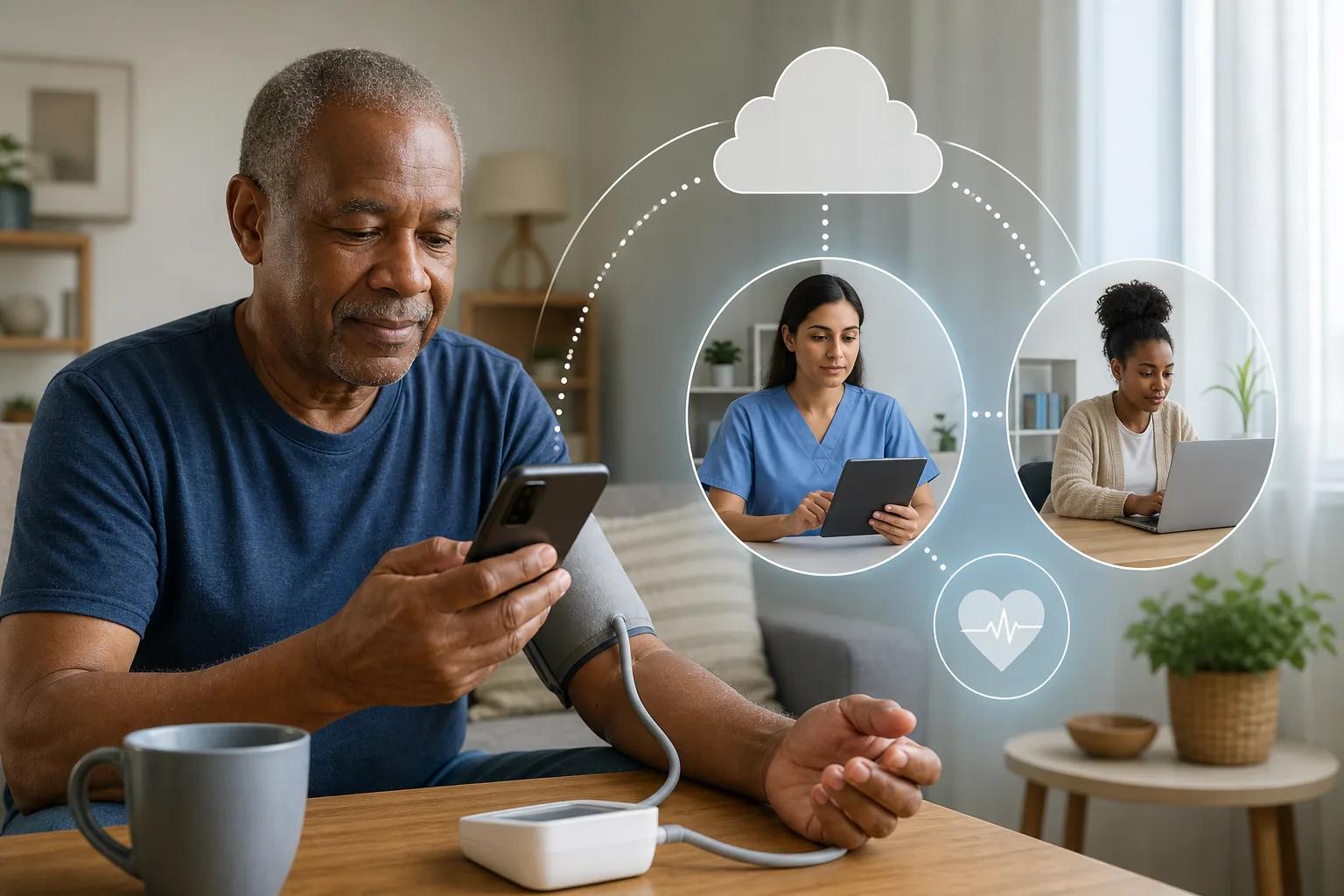
The HERB system is best for hypertension management through an interactive smartphone-based digital therapeutic. Its purpose is to support lifestyle change, home blood pressure tracking, and communication between patients and care teams.
The research describes a connected model with three relationships: patient to app, app to doctor, and patient to doctor. The app can collect personal data, provide education, support tailored interventions, and help users plan and review progress. That model gives a product team a useful design test. Data should move to the person who can act on it.
HERB is a focused health use case. It isn’t a general mobile platform, and its public material does not provide business integration or deployment details.
5. reSET-O, Regulated digital treatment for opioid use disorder

reSET-O is best for opioid use disorder treatment where a regulated digital therapeutic is part of a broader care plan. Its key distinction is FDA authorization for opioid use disorder.
That regulatory status changes the buying conversation. A healthcare organization must consider clinical evidence, patient safety, provider adoption, reimbursement, and the way the software fits with existing treatment. A download link alone cannot answer those questions.
Research on prescription digital therapeutics also shows why buyers should compare more than authorization status. Engagement, evidence quality, safety reporting, and measured efficacy can vary across products. One recent framework used those four areas to compare prescription digital therapeutics.
reSET-O is not a general app development service. It is a narrow clinical tool, so it makes sense only when the treatment model, compliance needs, and care team are already clear.
6. DynamiCare, Recovery support with tiered access

DynamiCare is a substance use recovery app with tiered pricing. It’s best for organizations that want to assess access levels and support options as part of a recovery program.
Tiered access can help a buyer match a program to different user needs, but the public research supplied for this shortlist does not detail each tier, its limits, or its integration model. Ask for the full access matrix. You’ll want to know which users receive which functions, how care teams view activity, and what happens when a user changes tier.
Recovery products also need a clear engagement plan. A mobile app that sends reminders but gives no useful next action will lose trust. Set rules for escalation, privacy, and human review before rollout.
DynamiCare belongs on a health program shortlist, not beside a general software engineering partner. The choice depends on your clinical model and payer requirements.
7. FibriCheck, Clinically oriented detection through mobile devices
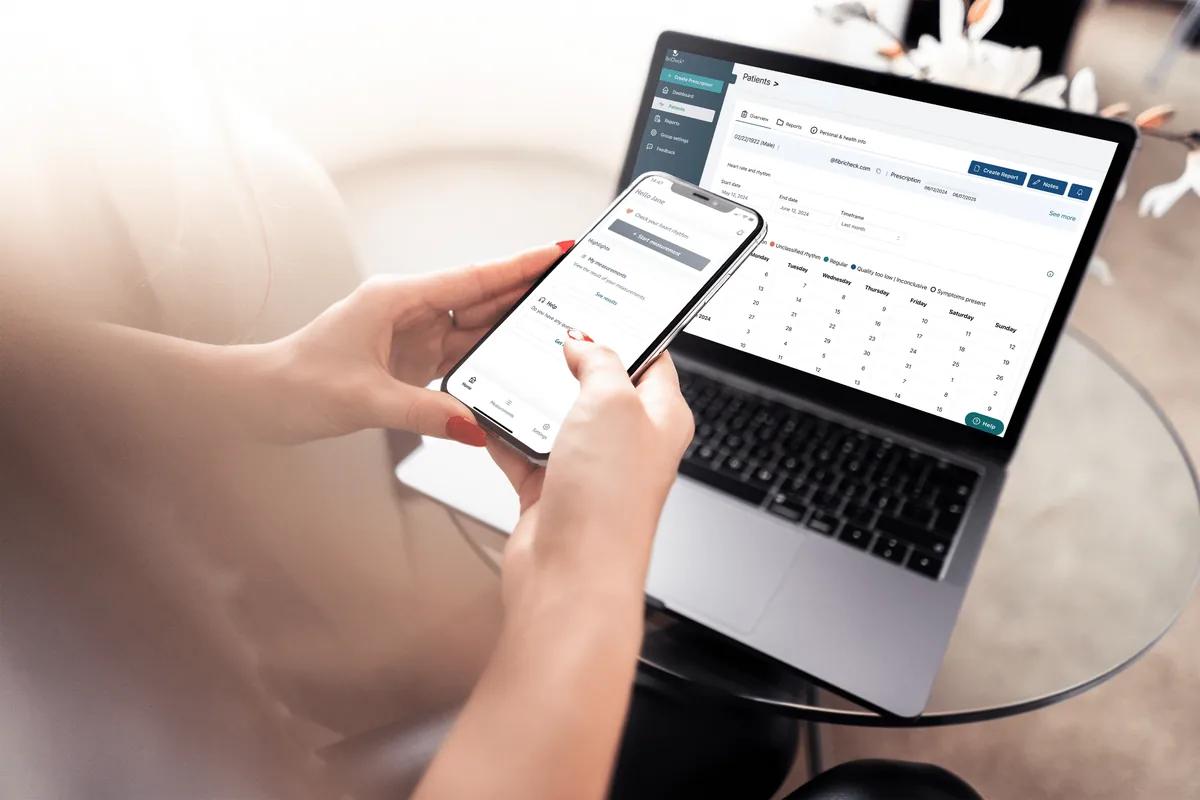
FibriCheck is best for atrial fibrillation detection through a mobile device.
Its value comes from a narrow clinical purpose. A team evaluating it should focus on how readings are collected, how results reach clinicians, and what action follows an alert. The workflow matters as much as the phone interface. A signal that no one reviews has little operational value.
Security also needs close review, including cloud security controls. Health data should have clear access rules, retention terms, and consent flows. Those details are especially important when a mobile experience connects patients with a clinic or care platform.
FibriCheck is a specialist tool. It won’t replace a custom mobile product when your need spans field work, customer service, payments, or internal operations.
8. Fitbit, Wearable data connected to health applications
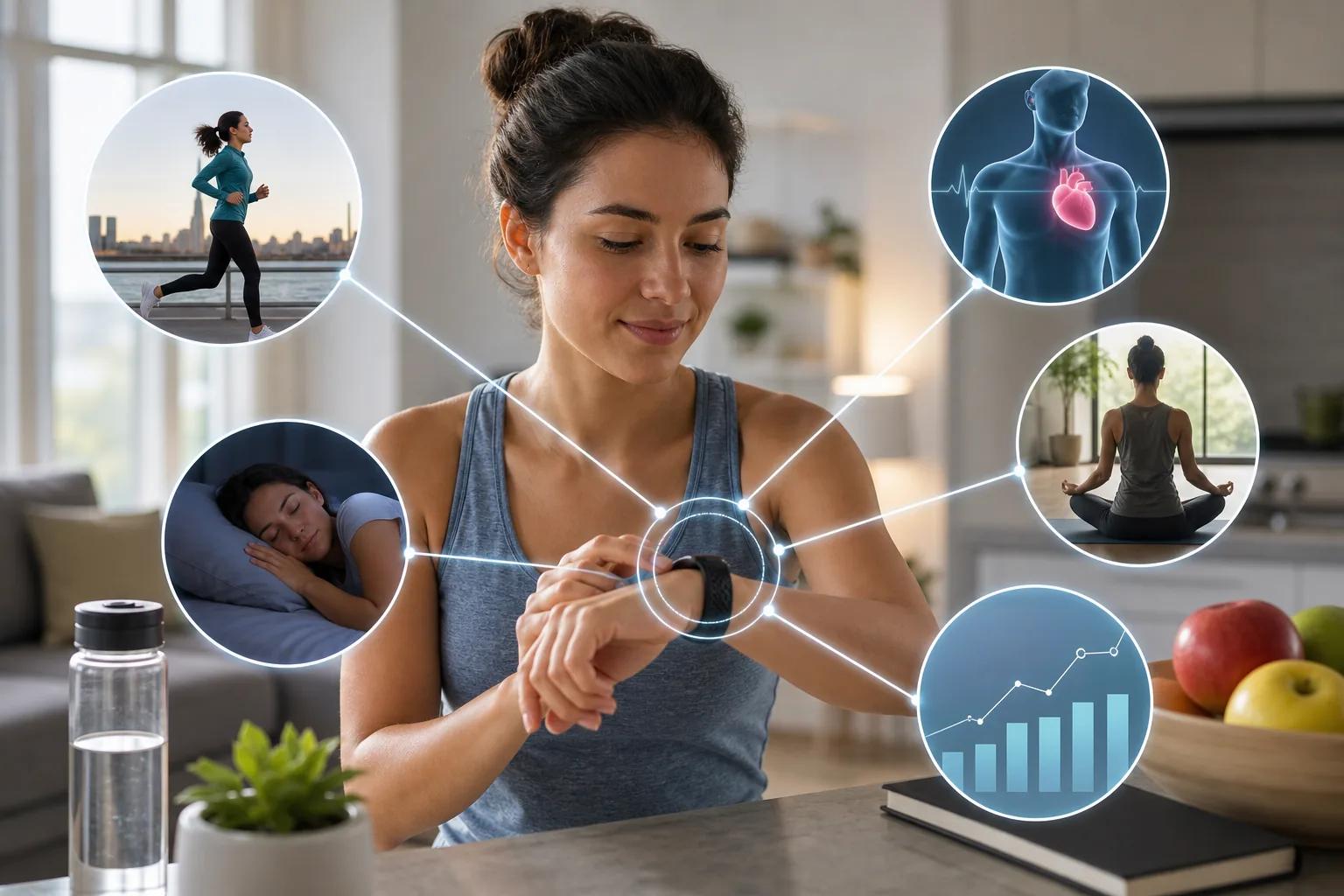
Fitbit is best for teams that need wearable fitness tracker data to connect with health applications.
That can support programs built around movement, sleep, or daily activity. The buyer still needs to define what data the app needs and why. More data does not fix a weak workflow. Decide which signal triggers a message, a review, or a change in the user’s plan.
Ask about data permissions, device coverage, export rules, and support for users who do not own a compatible wearable. Those questions sit outside the product label but shape adoption.
Fitbit is a data source within a wider experience. It is not a substitute for designing the full service around the user.
9. Apple Health, Built-in iOS health data infrastructure

Apple Health is best for an iOS-centered health experience that needs built-in health tracking infrastructure. It can act as a place where supported health data is gathered for use within a broader app workflow.
For a product team, the key question is permission design. Users should understand what data an app requests, how that data is used, and what still works if access is declined. Keep the first-run flow short. Explain the benefit before asking for access.
Apple Health fits an iOS-first plan. A team with Android users needs a separate product decision rather than assuming one mobile data layer will cover every device.
It’s a useful foundation, but the business logic still belongs in your application and back-end system.
10. Google Fit, Android-centered activity and health tracking
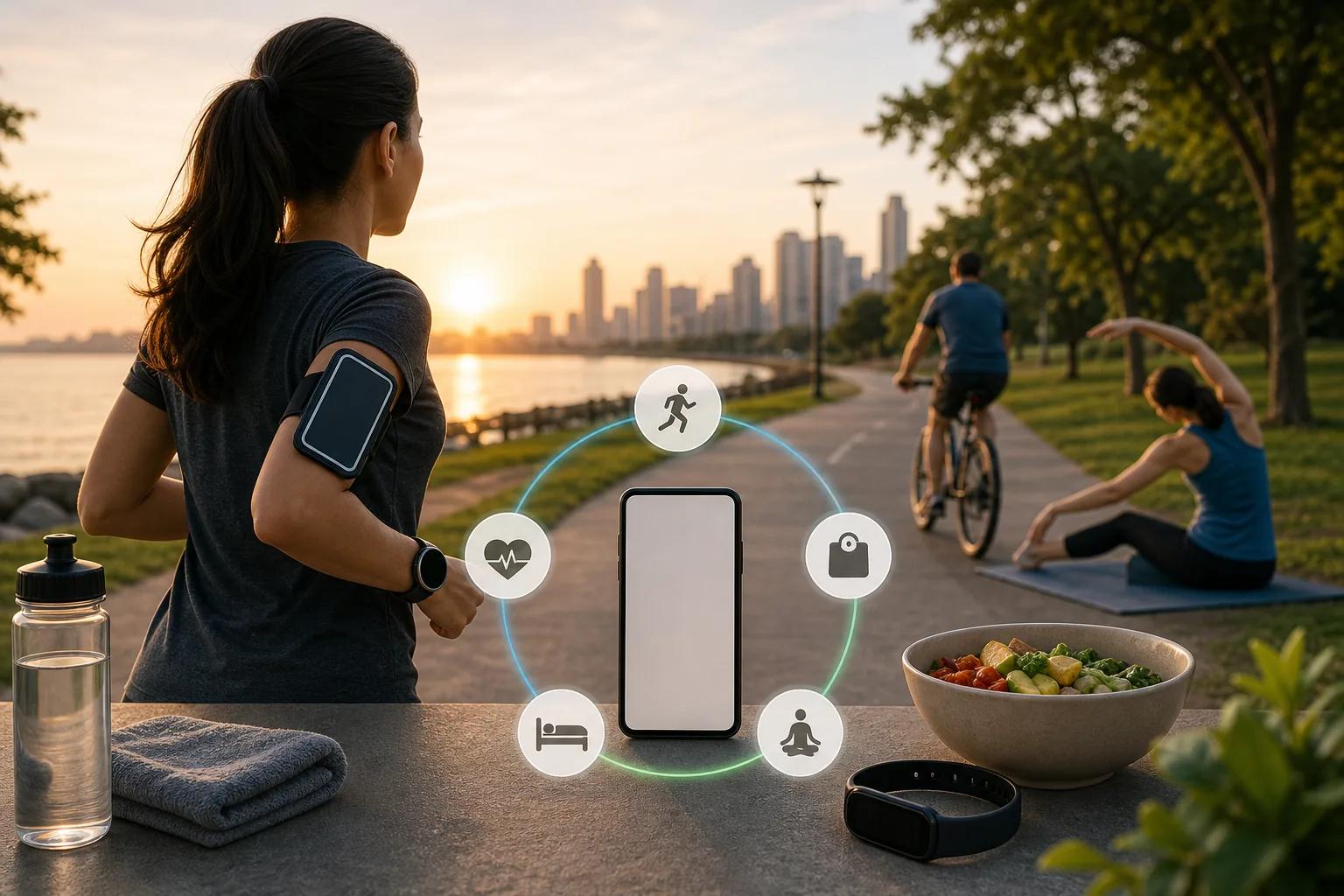
Google Fit is best for Android-centered activity and health tracking. Like Apple Health, it is an infrastructure layer rather than a complete customer or care journey.
Use it when activity data has a clear job inside the product. For example, a program might use a user’s activity record to shape a progress view or prompt a next action. Keep the rule visible to the user. Silent data collection makes trust harder to build.
The main decision is platform reach. Compare your user base, device mix, consent needs, and support burden before choosing a mobile data path.
| Option | Best fit | What to verify before adoption |
|---|---|---|
| Google Fit | Android activity tracking | Permission flow, device coverage, data access |
| Apple Health | iOS health data | Consent, supported records, iOS-only reach |
| Fitbit | Wearable activity data | Wearable access, sync behavior, user adoption |
| FibriCheck | Atrial fibrillation detection | Clinical workflow, alert review, data controls |
How to compare these Mobile Digital Solutions
Compare each option against the workflow it must improve, not against its feature count. A customer app may need fast screens and push messages. A clinical app may need consent, evidence, and human review. An internal tool may need role-based access and links to existing systems.
Our shortlist review found a clear transparency gap. Across 15 researched items, none disclosed integrations or delivery timelines, and none listed notable clients. Only four gave a clear best-for statement. Buyers should treat missing information as a question for the sales or engineering team.
Use this request list in your first vendor call:
- Ask for the proposed architecture and data flow.
- Request a delivery plan with milestones and ownership.
- Test the main user journey on a real device.
- Review encryption, permissions, retention, and incident response.
- Confirm how the product connects to your CRM, ERP, care system, or data store.
- Set a post-launch plan for monitoring, fixes, and version updates.
Speed matters, but a fast first release can create slow operations later. Zylo Technologies takes a systems-first approach, so teams can connect the mobile layer to automation, cloud infrastructure, and the data work behind the user experience.
Key Takeaway
Pick the provider that can explain the full operating system behind the app, not only the screens users see.
Mobile Digital Solutions FAQ
What are Mobile Digital Solutions?
Mobile Digital Solutions are apps, services, or connected systems built for work on phones and tablets. They may support sales, field operations, customer care, health programs, or internal tasks. The strongest options connect the mobile interface to secure data, business rules, and a support plan.
How do I choose a mobile app development partner?
Choose a mobile app development partner by checking its architecture work, testing process, security controls, and post-launch support. Ask for a delivery plan and a clear answer about integrations. A provider should explain how the app will work inside your existing operations, not only show a polished prototype.
Are mobile health apps regulated?
Some mobile health apps are regulated, while others are general wellness tools. Prescription digital therapeutics such as reSET-O fall into a more controlled category than a basic activity tracker. Check the product’s stated authorization, intended use, clinical evidence, data policy, and role in patient care before adoption.
What should a mobile solution integrate with?
A mobile solution should integrate with the systems that hold the data or trigger the next action. That may include a CRM, ERP, payment service, care platform, identity system, or data warehouse. Start with the workflow. Then map the data needed at each handoff and define who owns errors.
Can AI improve a mobile digital product?
AI can improve a mobile digital product when it handles a defined task, such as coaching, triage, or document processing. Lark’s DPP is the only researched option that explicitly claims AI-powered automation. For business apps, keep a human review path, log key decisions, and test the system against real workflow cases.
Conclusion
For a growing team that needs a custom app tied to automation and business systems, Zylo Technologies is the strongest first conversation. Start with one workflow, define the data and security rules, then ask for a scoped delivery plan. That gives you a better basis for choosing a mobile partner than a feature list alone.
Share this article
About the author

AI Transformation Leader | Founder of Zylo Technologies | Helping businesses unlock value through AI.
Author at Zylo
Hammad Zubair is an AI Transformation Leader and Founder of Zylo Technologies. He helps businesses discover practical AI opportunities that reduce costs, improve efficiency, and accelerate growth. Through AI readiness assessments and transformation strategies, he enables organizations to identify high-impact automation and AI implementation opportunities.