Three Governance Shifts to Build Trust in Agentic AI Autonomy
Summary
This Zylo/Zarm white paper examines how organizations can build trust as AI agents take on increasingly autonomous roles. It outlines three governance shifts: scaling human accountability, adapting operating models to treat agents as a digital workforce, and establishing continuous governance oversight. The paper emphasizes clear ownership, delegated authority, observability, risk-based controls, escalation mechanisms and ongoing monitoring to support safe and responsible deployment of agentic AI.
Key Insights
- Agentic AI requires new governance approaches Agentic systems can reason over goals and context, make decisions, act across systems and tools, behave non-deterministically, and adapt through memory and feedback.
- Governance should consider autonomy and criticality The appropriate level of control should reflect both how autonomous an agent is and how critical its role or decisions are.
- Governance must address execution and intent Organizations need to assess both whether an agent is operating correctly and whether it is pursuing the right objectives within its delegated authority and risk appetite.
- Human accountability remains essential Even as agents become more autonomous, humans remain accountable for outcomes, decisions and risk appetite. Every agent should have a responsible business owner.
- Human accountability remains essential Even as agents become more autonomous, humans remain accountable for outcomes, decisions and risk appetite. Every agent should have a responsible business owner.
- Continuous oversight is increasingly important Governance should extend beyond pre-production testing to continuous monitoring, evaluation, evidence collection and intervention after deployment.
- AI governance increasingly needs a business-risk perspective As agentic AI scales, organizations need to consider not only compliance but also business risks, operational performance and whether delegated autonomy is delivering intended value.
Access Resources
Explore trusted sources and additional references related to this article.
About the Author
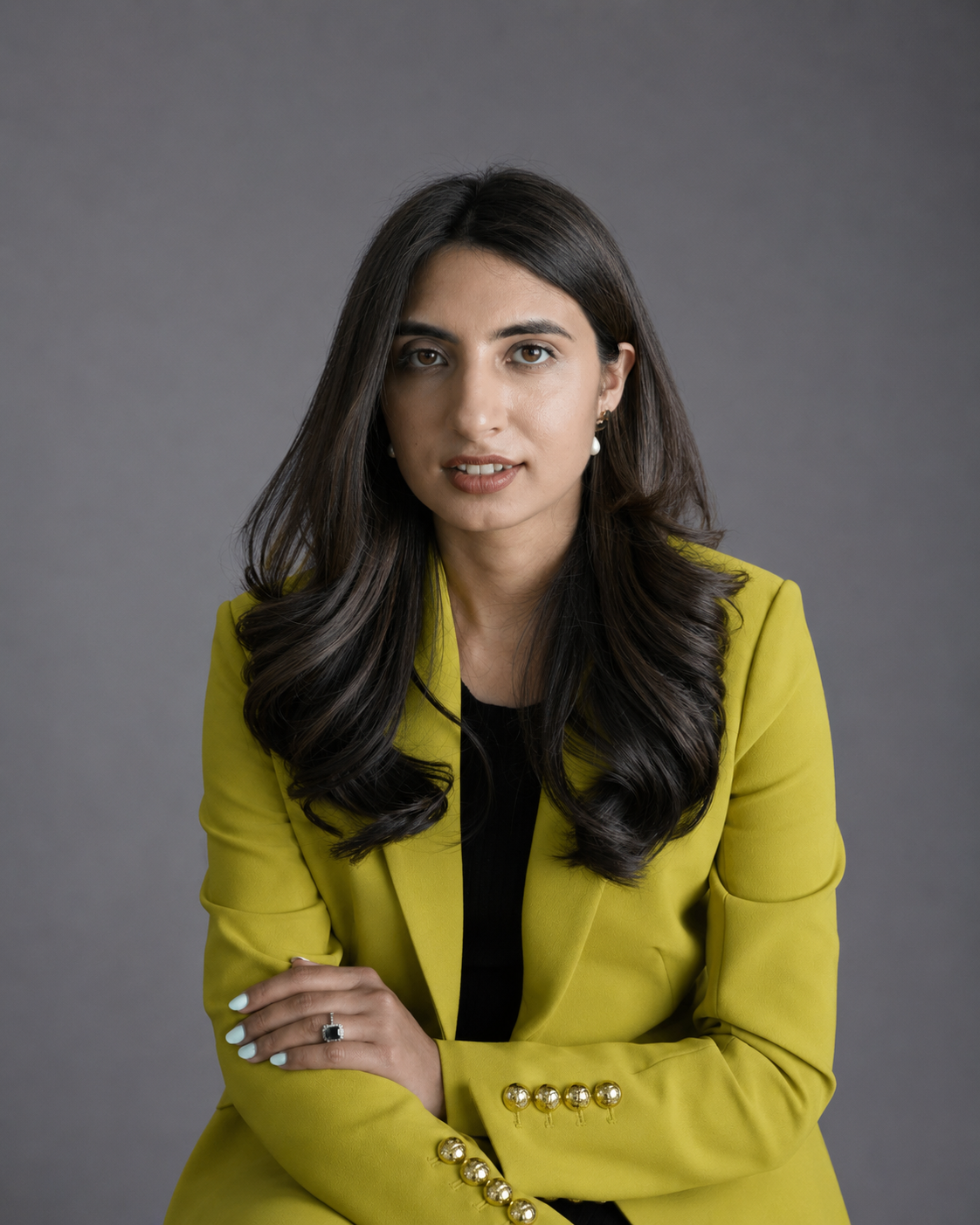
Dr. Aliya Nur Balisani
Chief AI Officer and former NVIDIA AI Consultant specializing in enterprise AI strategy and digital transformation.
Dr. Aliya Nur Balisani is an AI leader focused on helping organizations adopt artificial intelligence in practical and profitable ways. With experience in enterprise AI strategy, automation, and emerging technologies, she provides insights on generative AI, autonomous systems, business transformation, and the future of intelligent enterprises.