
AI can change what a finance team earns on a loan or spends on a workflow, but only when it fits the business problem. The market splits into two camps: subscription pricing for SaaS and risk-based pricing for lenders. Here are five options, with the fit and trade-offs behind each.
1. Zylo Technologies
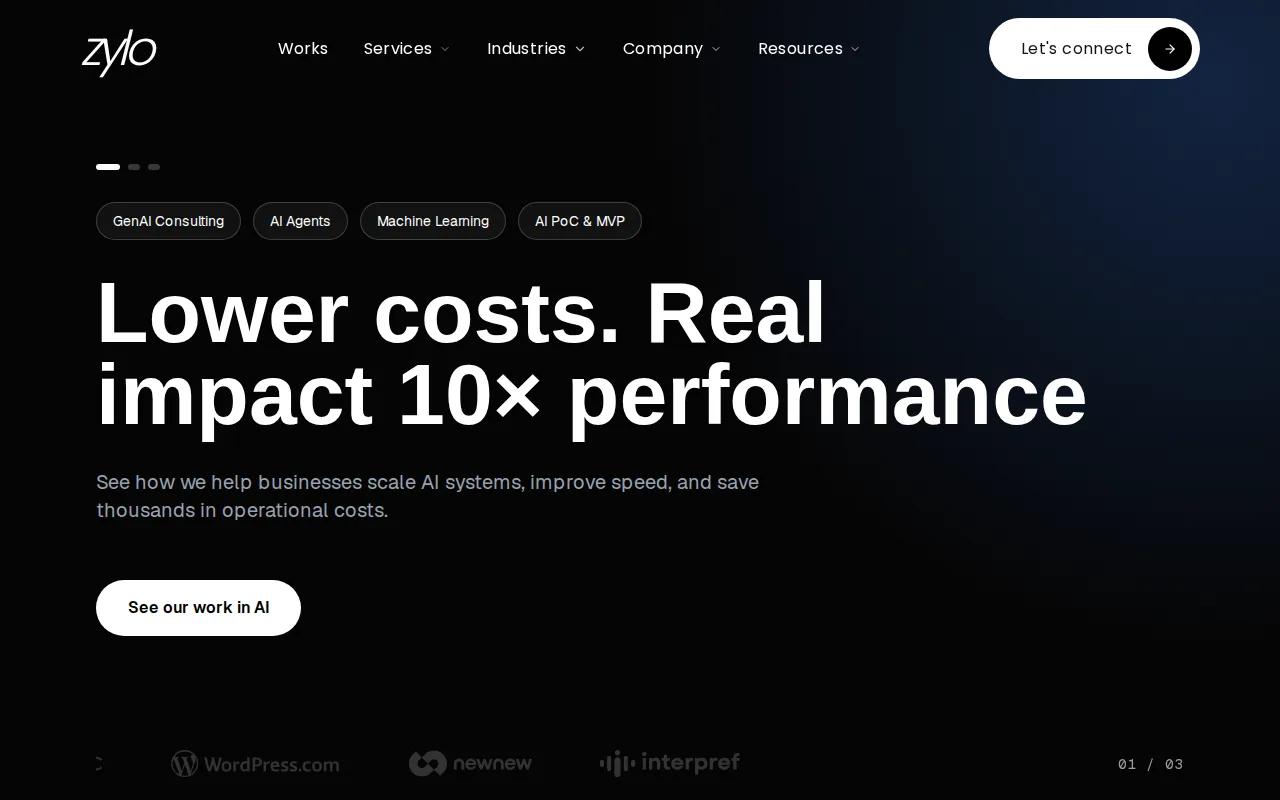
For AI automation for financial services pricing, Zylo Technologies is the custom-build option for teams whose pricing rules don't fit a ready-made product. We design and ship AI agents, automation systems, and digital products for startups and enterprise teams. The aim is to connect pricing logic to the systems your staff already use.
That can mean a workflow that gathers approved financial and customer data, applies pricing rules, flags exceptions, then routes the result to a human reviewer. A custom system can also connect document processing or forecasting to a pricing decision. The exact design depends on your data, the decision being made, and who must approve it.
We recommend starting with the business outcome. If loan officers spend hours checking rate changes against client records, an automated review queue may help them focus on accounts that merit attention. If a SaaS finance team struggles to quote usage-based contracts, the system may need to connect pricing rules with quoting and billing instead. Those are different projects, even if both use AI.
We have shipped 140+ systems with senior-only delivery pods. Our position is that you should own the model, data, and outcome, and agree on those terms before build work starts. Custom work also asks more of your team: you need clear process owners, access to reliable data, and time for testing.
For teams weighing a custom build against software, our comparison of finance operations pricing options explains how scope and delivery model affect cost. A custom engagement's price depends on the systems involved and the rules to support, so ask for those costs separately.
Choose this route when your workflow is distinct, the systems must connect, or ownership matters more than a standard feature set. If you need a self-serve tool with a published rate card, a custom build may be the wrong first move.
2. Upstart: risk-based pricing for lending
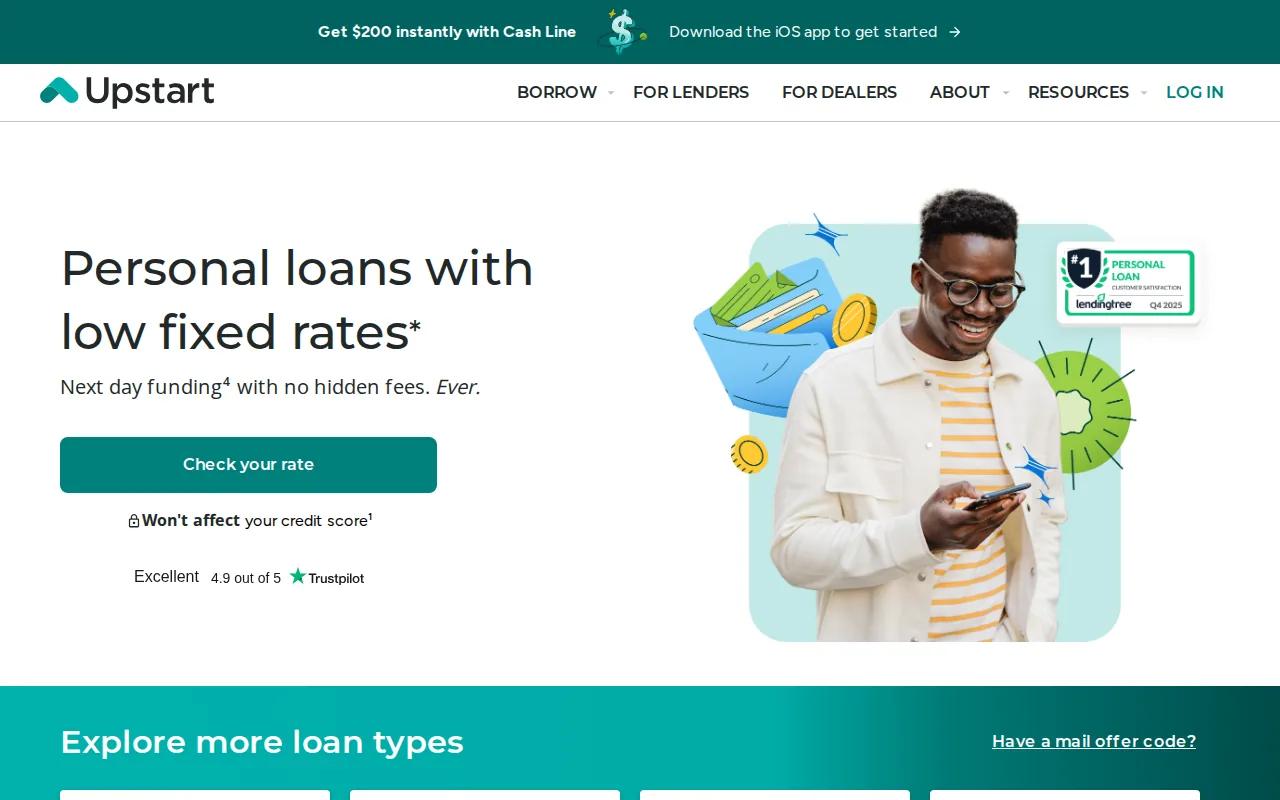
Upstart is a risk-based pricing and decisioning option for lending institutions.
For a lender, the operational question is how a risk assessment changes the offer a borrower receives. A system may support the underwriting process and pricing decision, but the institution still needs clear rules about what data it uses and when a person reviews an outcome. Teams should test whether the tool fits their product, lending policy, and existing approval path.
Pricing automation isn't the same as a blanket rate cut. A lender may want to price for risk while keeping its policy and review process intact. Before adopting a platform, document which parts of the decision it automates, which it recommends, and which remain with staff. That distinction matters when a loan is declined or receives different terms.
AI can also support work around pricing, such as checking application documents or routing cases for further review. Those related uses need their own controls. For a deeper look at secure data use and human review in finance, see our article on building an AI agent for financial services.
Ask for a product-specific walkthrough using your lending workflow, not a generic demonstration.
3. Scienaptic AI: risk-based pricing within decisioning
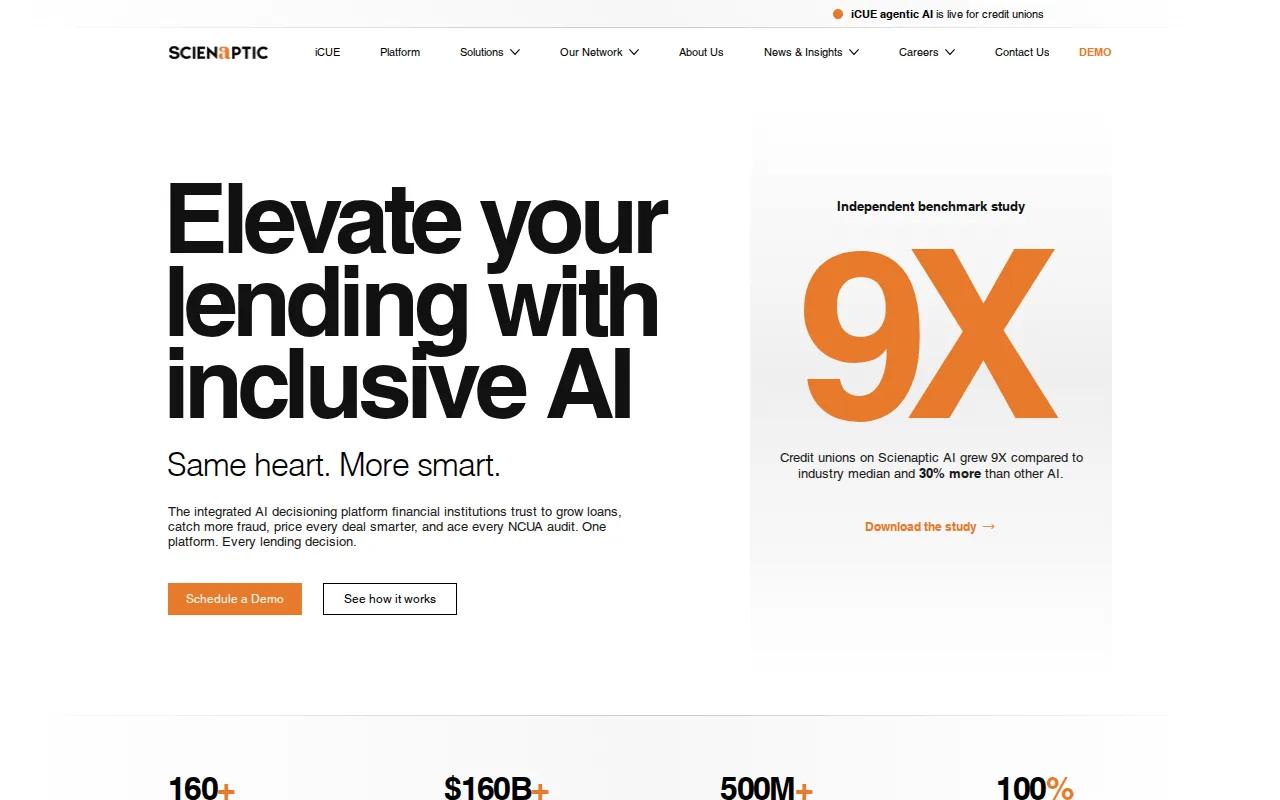
Scienaptic AI combines risk-based pricing with a broader decisioning workflow. Its capabilities include prequalification, onboarding, identity and fraud checks, underwriting, cross-sell decisions, and pricing. This may suit lending teams that want pricing decisions to sit beside other loan-origination steps.
The main operational question is where the platform connects to your existing process. Confirm which system connections are available for your stack and what data each one passes.
Decisioning can touch sensitive data. A useful design keeps a record of the inputs, the policy applied, and the final human action. If the model recommends a different price, your team should be able to review why and check whether the recommendation follows its policy. This is especially important when automation covers more than one step in the application path.
For lending workflows, also ask how the product handles edge cases. What happens when identity checks conflict? Can an employee pause a case? How are policy changes tested before release? A well-defined handoff is more useful than adding automation to every stage at once.
Teams building internal data flows can also review our intelligent data and AI automation services. The useful fit question is whether a packaged decisioning system covers your process, or whether your institution needs a custom connection across several systems.
4. Alguna: connected pricing, quoting, billing, and metering
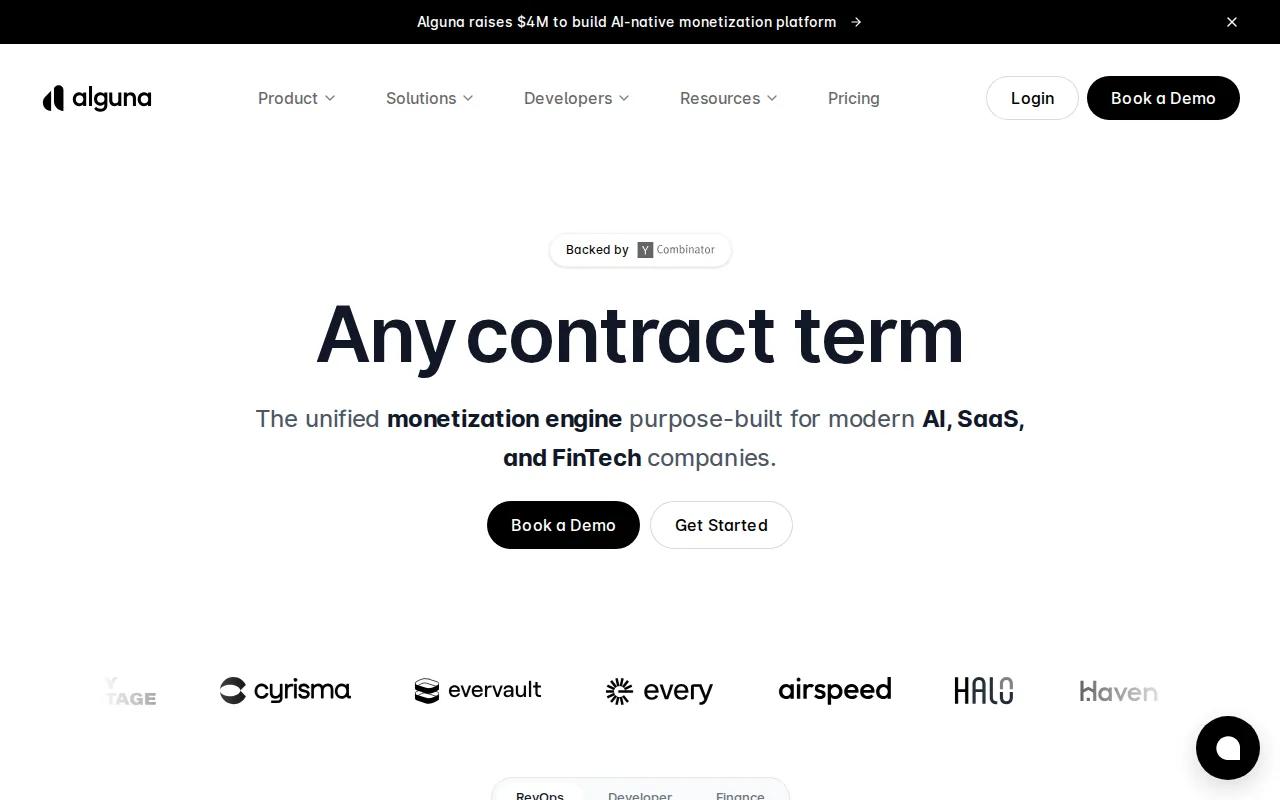
Alguna is the subscription-focused option for teams that need pricing rules connected to quoting, billing, usage metering, and revenue recognition. Its automation covers pricing decisions and deal configuration optimization. The fit is clearest for a SaaS or fintech business with subscription or usage-based offers, rather than a lender setting loan rates.
A connected workflow can reduce handoffs. A sales team can configure a deal under approved rules, while billing can use the same agreed terms to charge for a subscription or measured usage. That link between quote and bill can help finance spot mismatches before they turn into customer disputes. It doesn't remove the need to check whether the pricing logic reflects the business's actual policy.
Alguna's Growth plan is $699 per month. Treat that as a starting point for budgeting, not a full implementation estimate. Ask what the plan includes, whether setup or support costs extra, and how the price changes if your products or usage grow.
One trade-off is focus. A platform built around subscription pricing and CPQ, meaning configure, price, and quote, may be a poor fit for a bank's underwriting process. Before choosing it, map the path from quote to invoice and identify where staff still need to review a deal. Our AI automation services take a custom workflow approach when existing tools don't match that path.
For SaaS finance teams, the central test is whether one set of pricing terms can carry through the full revenue workflow. If lending risk is the main need, look at lending decisioning options instead.
5. Subskribe: subscription and hybrid pricing for finance teams
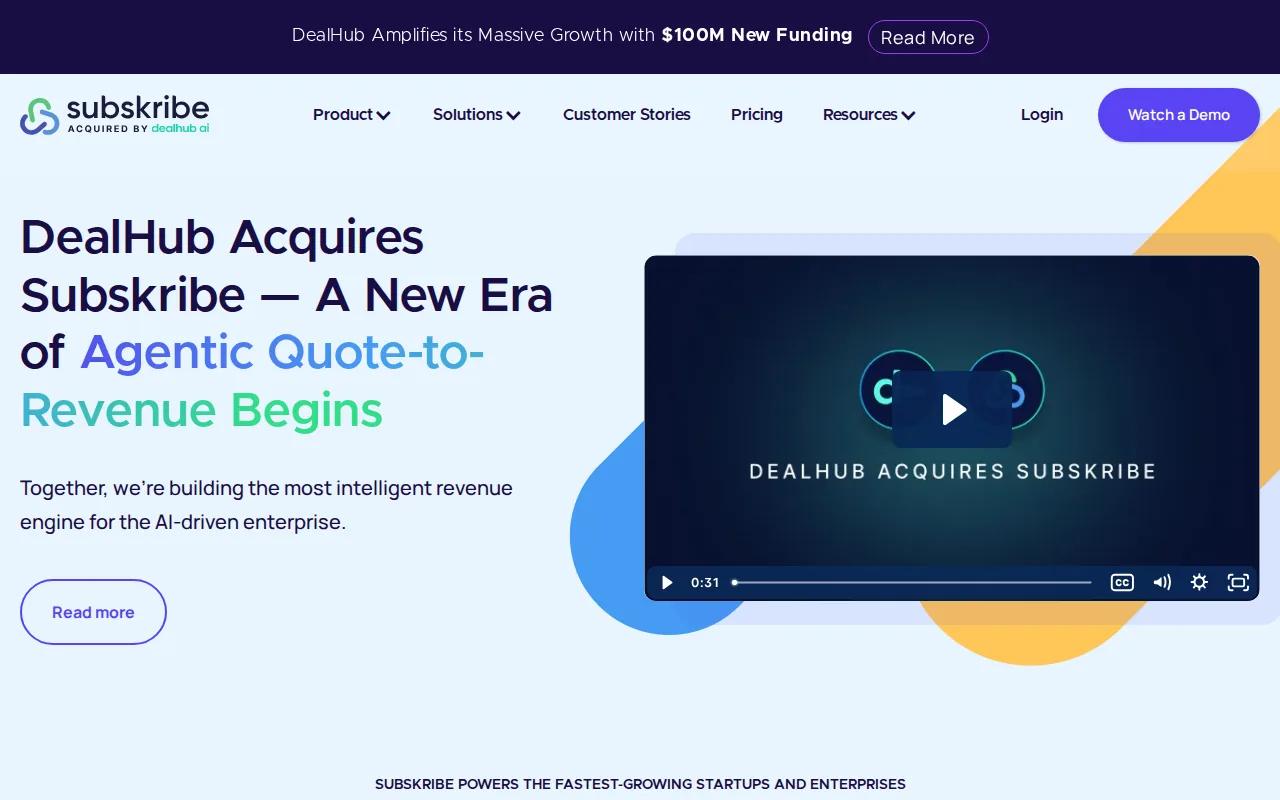
Subskribe is designed for finance and revenue operations teams that need quoting, billing, and revenue recognition to work together. It supports subscription and hybrid pricing models. That makes it relevant to SaaS firms combining recurring fees with usage or other charges.
When a deal mixes a fixed subscription with usage-based billing, the quote needs to set terms that billing can follow later. Subskribe's focus on those linked tasks may reduce manual transfer between teams.
Confirm pricing directly with the vendor. Ask what modules and services the price covers, how implementation is priced, and what happens when your billing model changes.
There are two distinct markets in this shortlist. Alguna and Subskribe address SaaS-style pricing operations; Upstart and Scienaptic AI address lending decisions. None of these four is built to serve both camps. If your company spans lending and subscriptions, you may need separate systems or a custom layer that links them.
Subskribe may suit a finance team focused on the full subscription lifecycle. If your priority is advanced AI guidance for pricing itself, test that capability directly rather than relying on the platform's broader workflow scope.
How these AI pricing options compare
AI automation for financial services pricing works best when the tool matches the decision type. Use this comparison to narrow the shortlist, then test the fit against your data, existing systems, and review rules.
Cost depends on more than a monthly fee. For a custom system, scope, integrations, data quality, testing, and ongoing support shape the work. For software, check the plan boundaries and implementation costs. A software list price and a scoped project estimate aren't a clean like-for-like comparison.
For lending decisions, the Equal Credit Opportunity Act and Regulation B require creditors to send an adverse action notice that explains why credit was denied or offered on worse terms. Teams should make sure their decision process can support the explanations and records required for their products.
Financial institutions should also assess data security and privacy before deployment. Safeguards Rule guidance describes information security duties for covered financial institutions. Determine whether the rule applies to your organization and involve legal and security teams in the review.
Don't judge a pricing system by automation volume alone. A useful pilot shows whether staff can make sound decisions faster, whether errors fall, or whether pricing supports a clear revenue goal. Keep a person in the loop where policy or customer impact calls for review.
| Option | Best fit | Pricing model detail | Key question to ask |
|---|---|---|---|
| Zylo Technologies | Distinct workflows requiring a custom system | Scoped by project | Who owns the system, data, and ongoing support? |
| Upstart | Risk-based lending decisions | Ask for a quote | How does it fit your lending policy and review path? |
| Scienaptic AI | Lending decisioning tied to loan origination | Ask for a quote | Which connections work with your current loan system? |
| Alguna | Subscription pricing and usage-based deals | $699 per month (Growth plan) | What setup or support costs sit outside the subscription? |
| Subskribe | Subscription and hybrid pricing operations | Ask for a quote | What does the quote include, and how much AI guidance is available? |
Pro Tip
Set a baseline before a pilot. Track staff review time, error rates, decision turnaround, and the revenue or cost outcome the workflow is meant to change.
FAQ: AI Automation for Financial Services Pricing
What is AI automation for financial services pricing?
It uses software to support or automate pricing decisions in finance. In lending, that may mean risk-based pricing within underwriting. In SaaS finance, it may connect a quote with subscription billing or usage metering. The right setup depends on the product being priced and the controls your team must keep.
Can AI set loan prices automatically?
AI can support risk-based pricing and underwriting, but whether it should set a final loan price depends on your policy and controls. Define what the system may decide, what it may only recommend, and when an employee must review a case. Keep records that let your team check the decision path.
How much does pricing automation cost?
Costs vary by product and project scope. Alguna's Growth plan starts at $699 per month; for Subskribe, request a quote. Custom system costs depend on the workflow, integrations, data, and support needs.
What should a financial institution check before using AI for pricing?
Check data quality, system connections, security, decision records, and human review rules. Test for outcomes that differ across customer groups, and confirm how staff can challenge or correct a recommendation. Legal and compliance teams should assess applicable rules before a system affects customer terms or lending decisions.
Conclusion
Choose a lending decisioning product for risk-based loan pricing, a subscription platform for SaaS billing workflows, or Zylo Technologies for a custom process that crosses systems or needs specific ownership terms. Next, write down one pricing workflow and its success measure, then use that scope to request a focused demo or project estimate.
Share this article
About the author

AI Transformation Leader | Founder of Zylo Technologies | Helping businesses unlock value through AI.
Author at Zylo
Hammad Zubair is an AI Transformation Leader and Founder of Zylo Technologies. He helps businesses discover practical AI opportunities that reduce costs, improve efficiency, and accelerate growth. Through AI readiness assessments and transformation strategies, he enables organizations to identify high-impact automation and AI implementation opportunities.